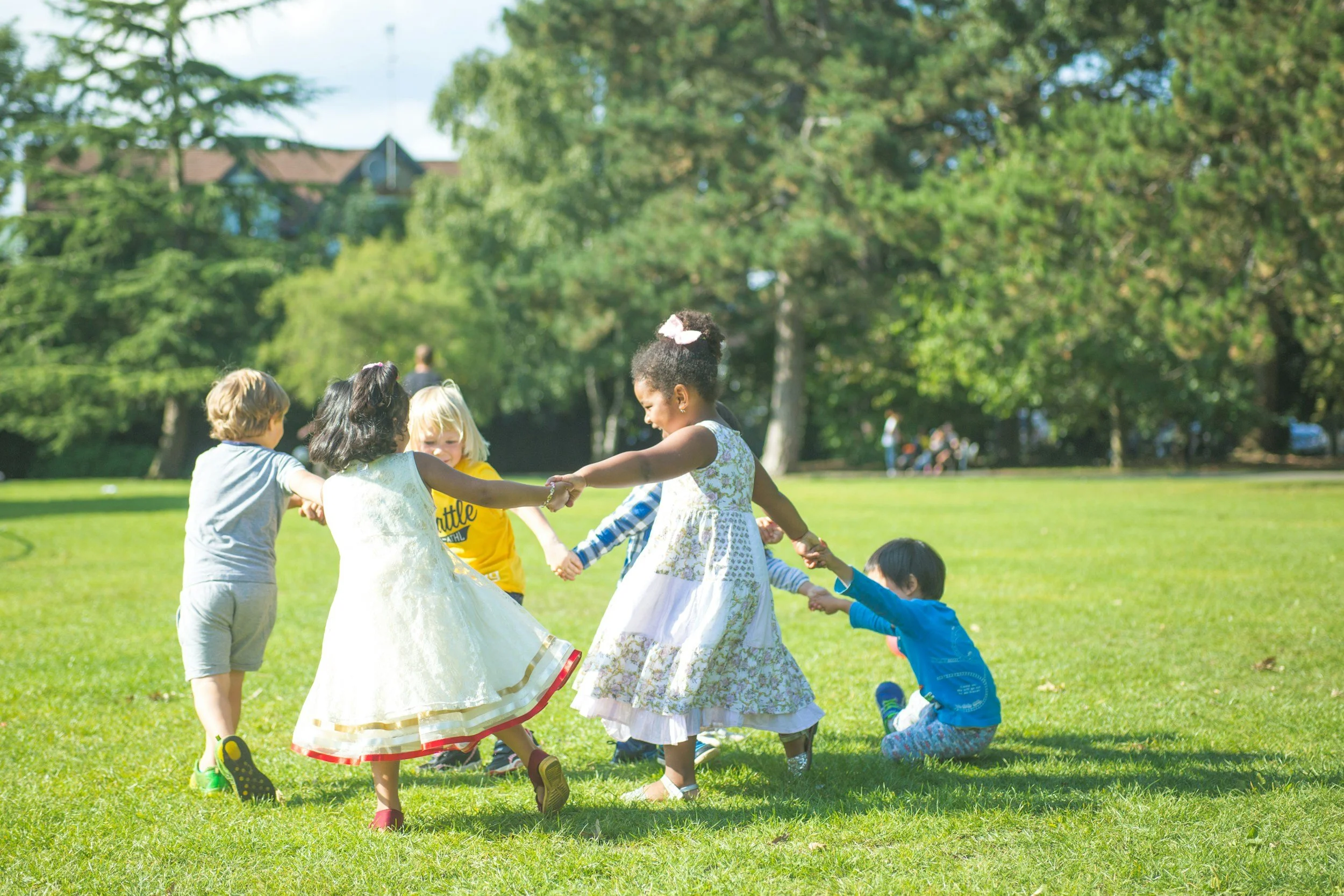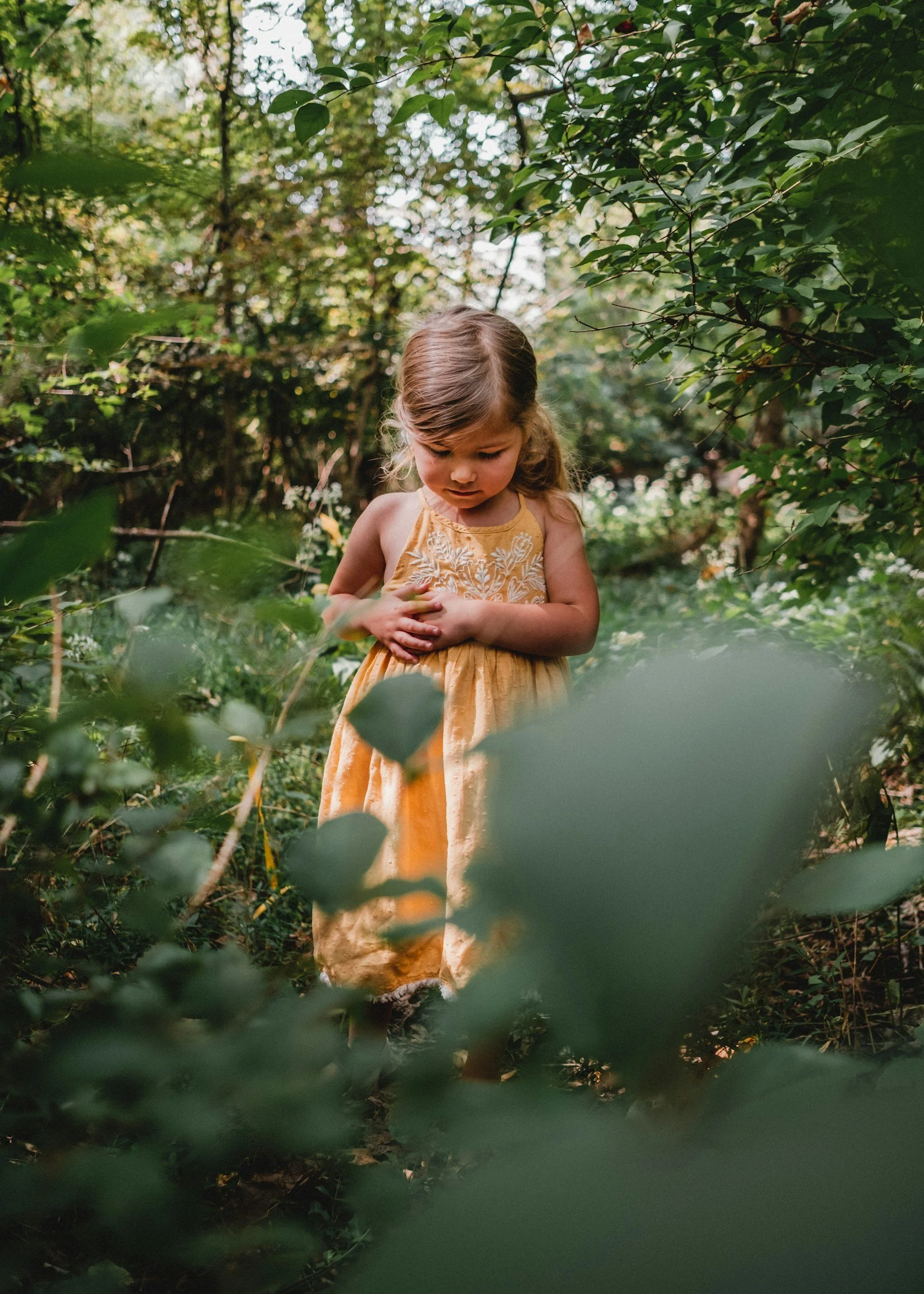
The Reggio Emilia approach is a child led philosophy for early childhood and primary education that encourages curiosity, creativity, and active learning.
Developed in Italy after World War II, it sees children as capable and confident learners who shape their own learning experiences through exploration, discovery, and play.
Inspired by Reggio Emilia
The Reggio Emilia Concept
-
Children are seen as capable, curious little explorers, eager to wonder, question, and uncover the world around them. Rather than simply being given information, they are encouraged to follow their ideas, make discoveries, and learn through hands-on experiences and joyful curiosity.
-
Classrooms are thoughtfully created to feel warm, welcoming, and inspiring, filled with natural light, plants, beautiful materials, and cozy spaces for collaboration. Every corner invites children to explore, imagine, create, and connect with one another.
-
Educators walk alongside children as guides and collaborators, learning together through shared experiences. By listening closely, observing thoughtfully, and nurturing each child’s interests, teachers help ideas blossom naturally and meaningfully.
-
Children express their thoughts, feelings, and discoveries in countless creative ways — through painting, music, storytelling, dramatic play, sculpture, movement, writing, and more. Each of these “languages” is celebrated as a beautiful and valuable way of understanding the world.
-
Families are considered active allies and essential components of the educational experience, participating heavily in the life and governance of the school